
Implementing and testing pilots
Pilot Planning & Development
After initial strategy workshops before the summer, the core group worked collaboratively to shape a shared vision. Input from the feedback group helped fine-tune the objectives before brainstorming possible pilot formats.
When brainstorming three ideas emerged:
- a canvas or box offering a heritage experience,
- a sing-along event,
- and different forms of local merchandise.
Through continued refinement during successive workshops, the group unanimously selected the Experience Box. Recent discussions have outlined its key characteristics: it must integrate sound, be tactile and visually attractive, and allow meaningful interaction both indoors and outdoors.
One of the biggest challenges has been managing expectations around budgets within a co-creative framework. Business-oriented stakeholders sometimes expect early clarity on outcomes and costs, yet the very essence of co-creation is uncertainty. The core group is navigating this by treating the box as a minimal viable product that can later attract investment from interested tourism or heritage actors.
What does tourism mean to me?
For me, tourism means that people discover something new, something they didn’t know before.
And that is very much the case with carillon culture.There are still very few people who really know what a carillon is, as it is often confused with, for example, the organ. And I believe that within this project we can work on creating a sustainable experience around the carillon culture.
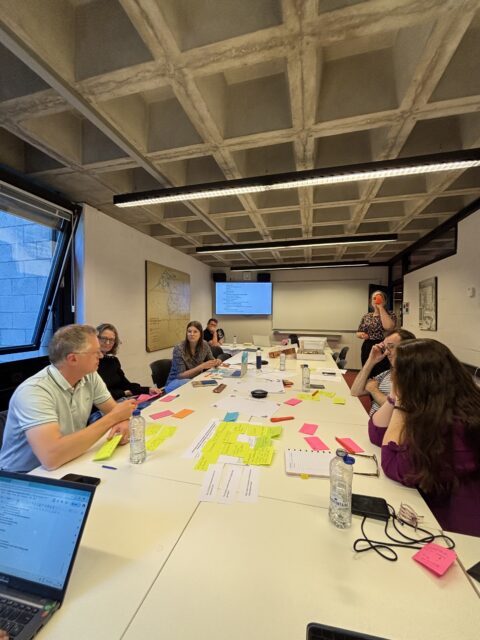
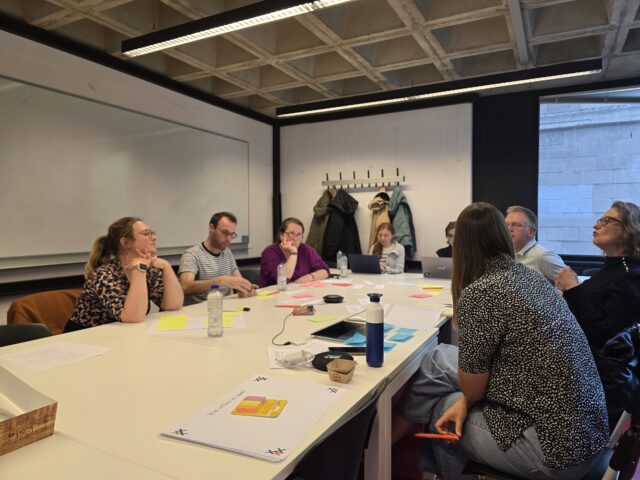
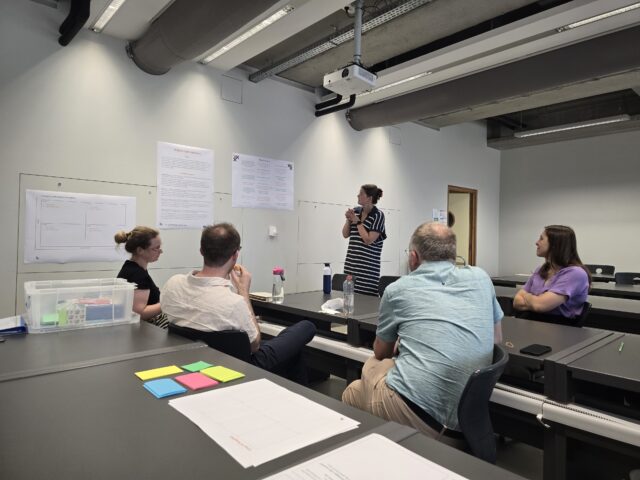
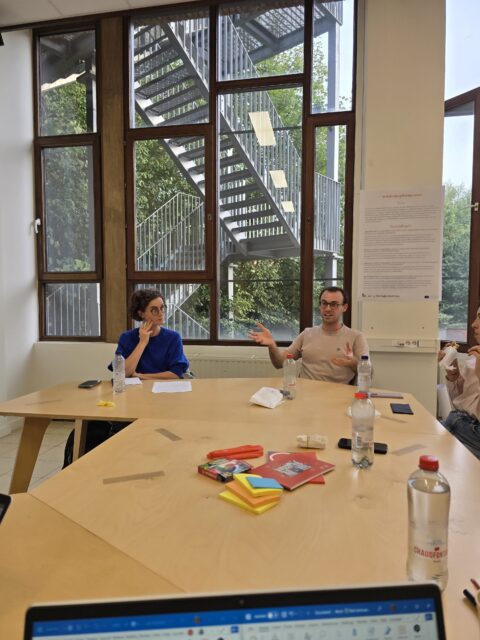
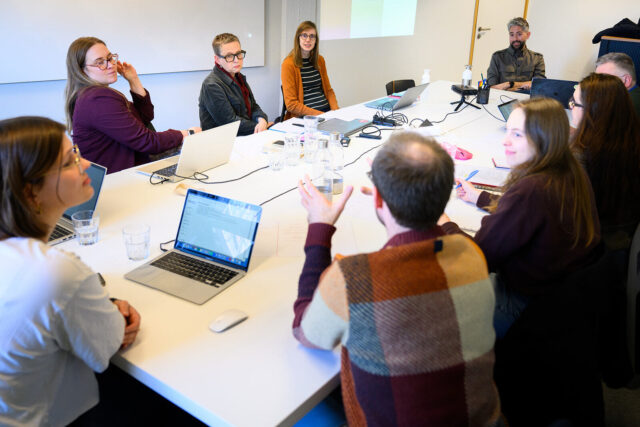
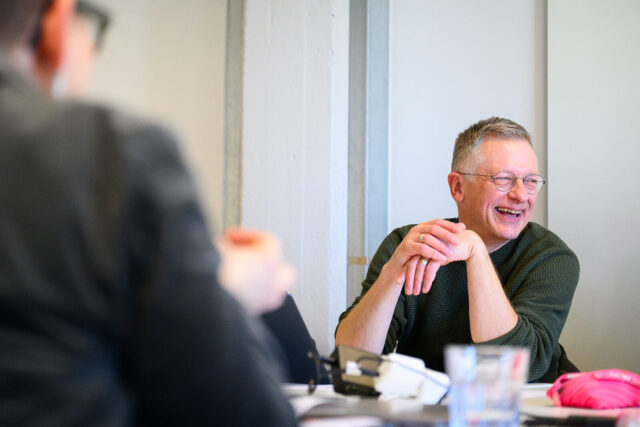
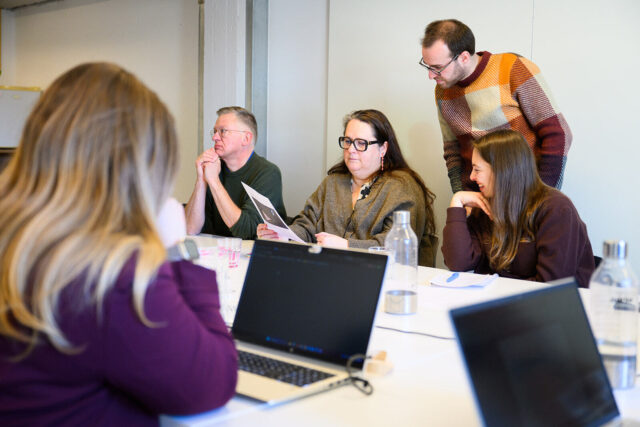
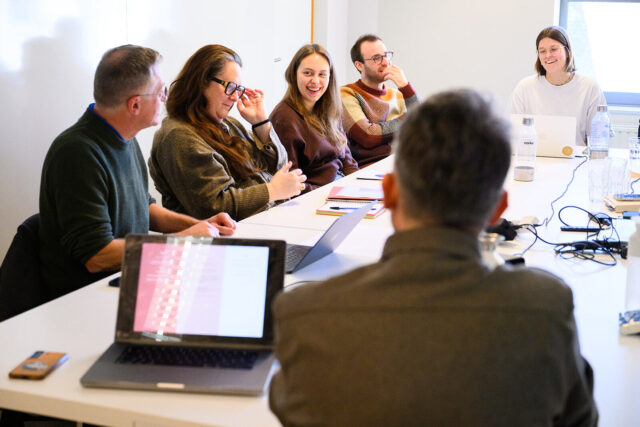
Co-creation workshop in 2025
© Dries Renglé
Pilot Implementation
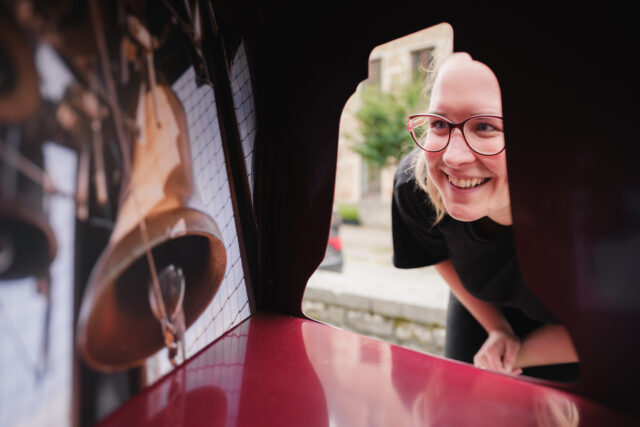
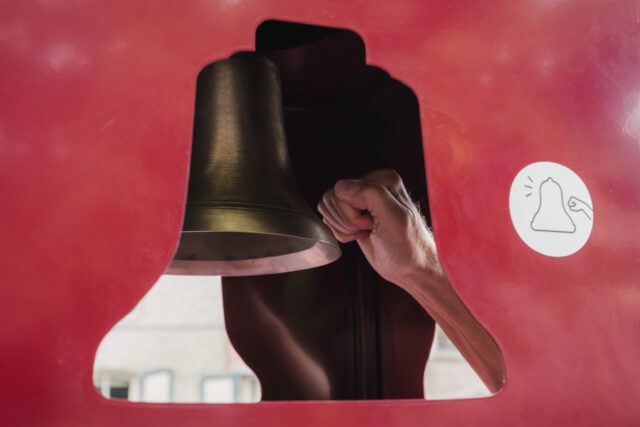
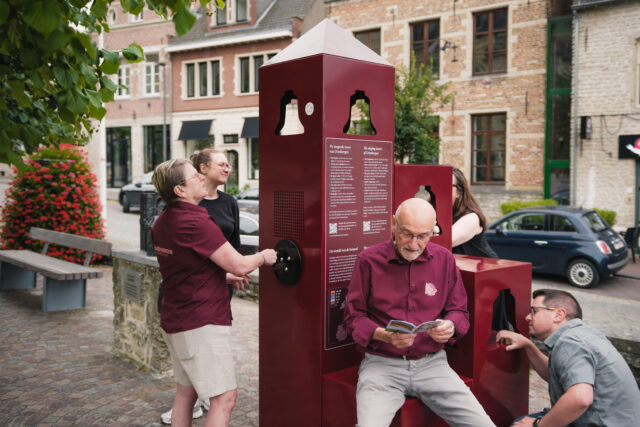
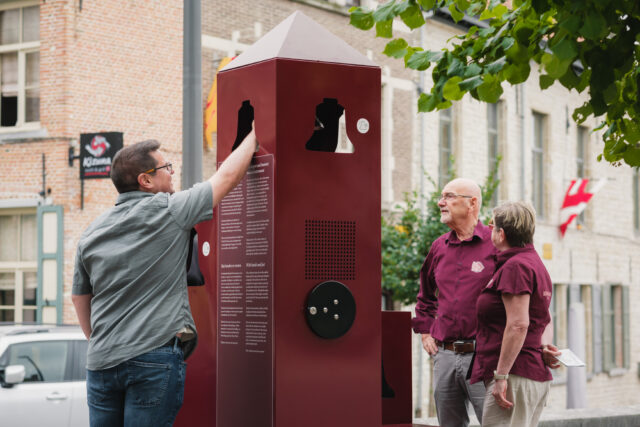
Launch of Carillon Box in Grimbergen - Aron Vermeiren commissioned by Workshop Intangible Heritage (CC BY-SA 4.0)
The project approach deliberately starts from co-creation between heritage communities, tourism actors, and cultural partners. The Carillon Box emerged from this process: an accessible and experiential installation that introduces visitors to carillon culture in an accessible way.
The starting point is simple: many people hear the sounds of the carillon but do not always know exactly what the instrument is, how it works, or what living practice lies behind it. The Carillon Box changes this by combining clear information with a sensory experience. In this way, visitors can discover carillon culture not only through story and context, but also through sound, image, and tangible interaction.
After an intensive co-creative process with carillonneurs, heritage organisations, and tourism stakeholders, the pilot project started a new phase starting in the summer of 2026. This test phase is intended to learn in practice what works, for whom, and in which context. By observing how different target groups interact with the box, and by gathering feedback from visitors, practitioners, and local partners, the concept can be further refined.