
From co-creation to prototype: developing a carillon experience box in Belgium
Developing heritage-based tourism experiences requires more than creative ideas. It calls for a careful process in which heritage communities, tourism actors and cultural organisations work together to realise shared ambitions. The pilot in Belgium focuses on introducing visitors to carillon culture in Flanders through a new and accessible concept: a carillon experience box.
Introducing carillon culture to new audiences
The starting point for the pilot in Belgium was clear: many visitors encounter the sound of the carillon without fully understanding what it is, where it comes from or how it is played. The working group therefore decided to focus on visitors with little or no prior knowledge of carillon culture, and to explore ways of engaging them in a simple and accessible way.
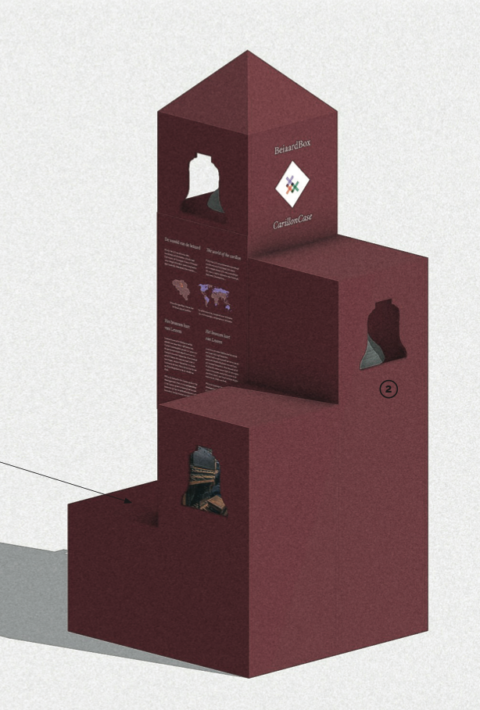
The result of this process is the carillon experience box, developed in collaboration with the creative studio Fugzia. The box combines two key elements: accessible information and sensory experience.
© Dries Renglé
On the one hand, the box introduces visitors to the basics of carillon culture through clear and engaging information. It answers simple questions such as what the carillon is, where it can be found, how it works, and how it connects to the local context of each pilot location. At the same time, it serves as a gateway that guides visitors towards the local offer related to carillon culture.
On the other hand, the box invites visitors to experience the instrument more directly. By including small bells and tactile elements, visitors can see, touch and briefly hear the sound of a bell themselves. This playful and hands-on approach helps transform abstract knowledge into a memorable encounter with living heritage.
From idea to prototype
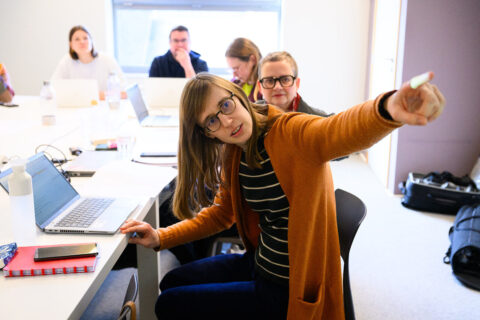
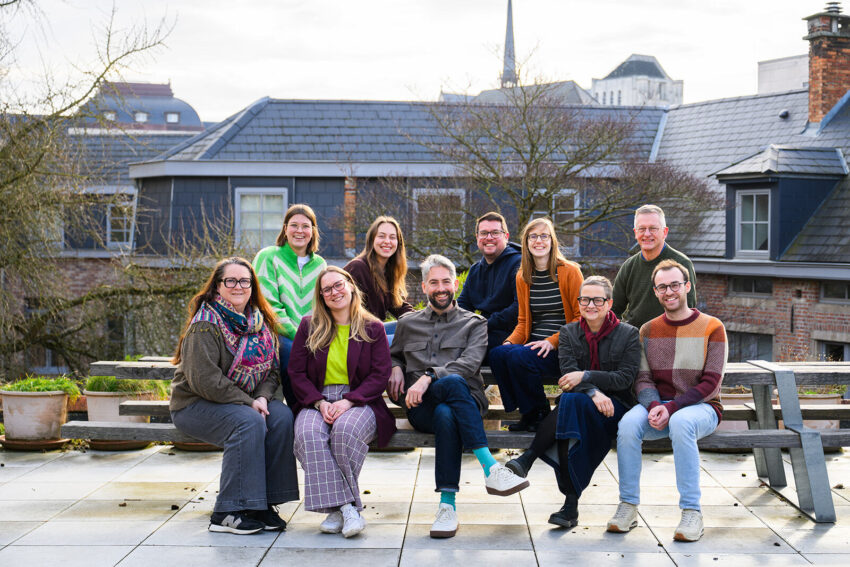
Throughout 2025, a series of working group sessions and consultations brought together representatives of the carillon players, heritage organisations and tourism professionals to start the co-creational proces. Early meetings focused on developing a shared vision and identifying possible formats for engaging visitors. Through structured ideation exercises and discussion, several ideas were explored before the group converged on the experience box as the most promising concept.
© Dries Renglé
The process also highlighted the importance of balancing creativity with feasibility. While many ideas proved inspiring, the box offered a format that could be both engaging for visitors and realistic for partners to develop and maintain.
Throughout the process, the emphasis remained on ensuring that the pilot respected the perspectives of the carillon community while remaining meaningful for tourism audiences.
Testing and learning
From the summer onwards, the experience box will be tested in three different pilot locations in Flanders; Mechelen, Leuven and Grimbergen. These testing phases will allow the partners to observe how visitors interact with the box, what captures their curiosity and which elements could be improved.
© Fugzia
Feedback from visitors, practitioners and local partners will help refine the concept. The aim is not only to improve the prototype, but also to explore how such a tool could contribute to a sustainable future for introducing new audiences to carillon culture.
Looking ahead
The pilot in Belgium illustrates how co-creation can translate living heritage into new forms of visitor engagement while respecting the knowledge and values of heritage communities. By combining storytelling, sensory experience and local context, the carillon experience box seeks to offer visitors a first, approachable encounter with this musical tradition.
If the testing phase proves successful, the ambition is to further develop the concept so that the experience box can continue to travel, evolve and keep introducing new audiences to the rich soundscape of carillon culture.