
Implementing and testing pilots
Pilot Planning & Development

© Studio Partum
In developing the pilot the Heritage Experience Canvas (HEC) was used as a practical tool to translate research and community knowledge into a coherent, experience-based heritage offer.
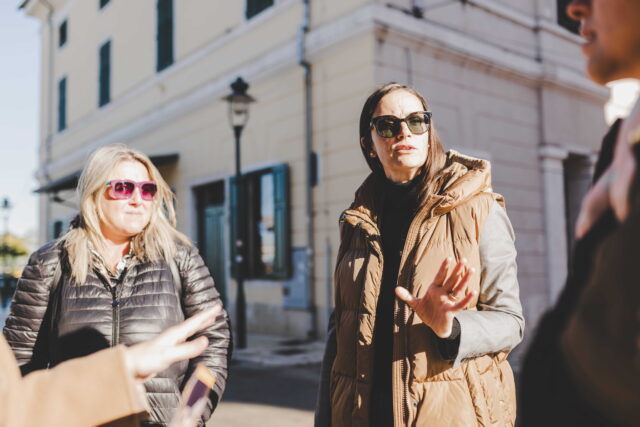
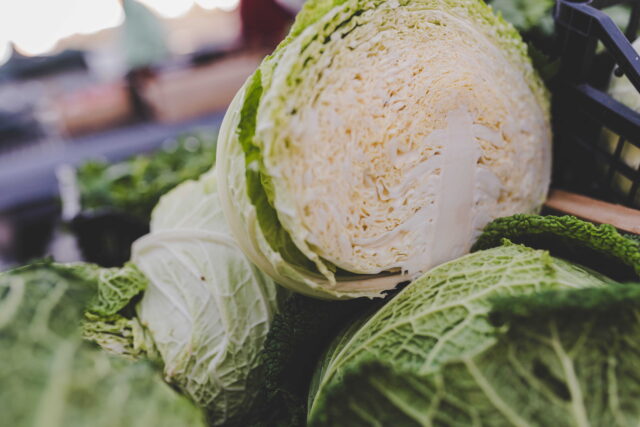
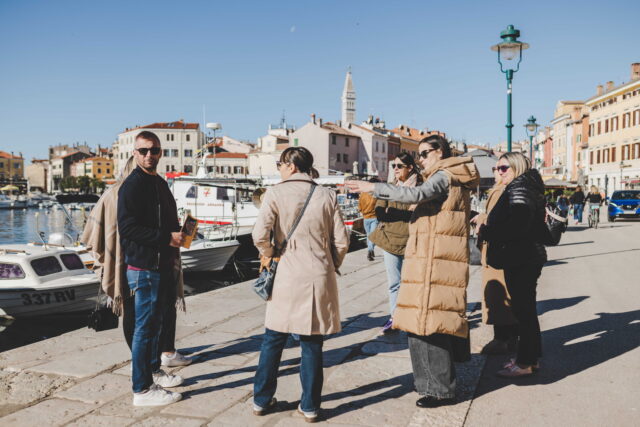
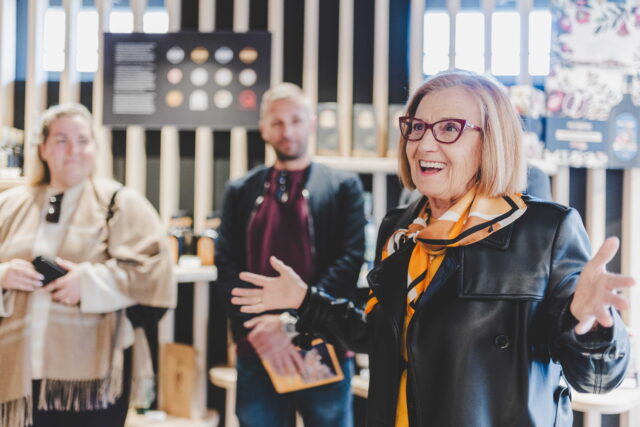
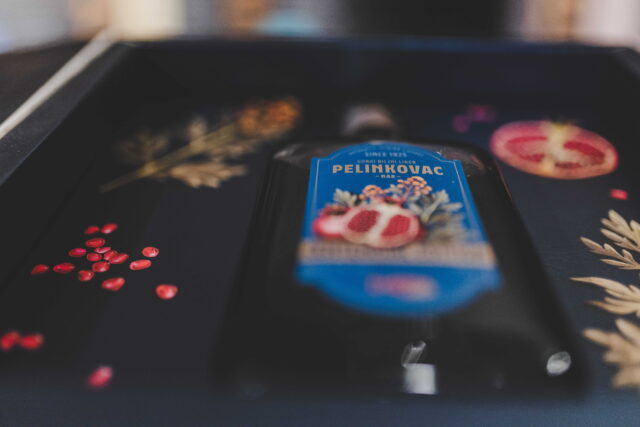
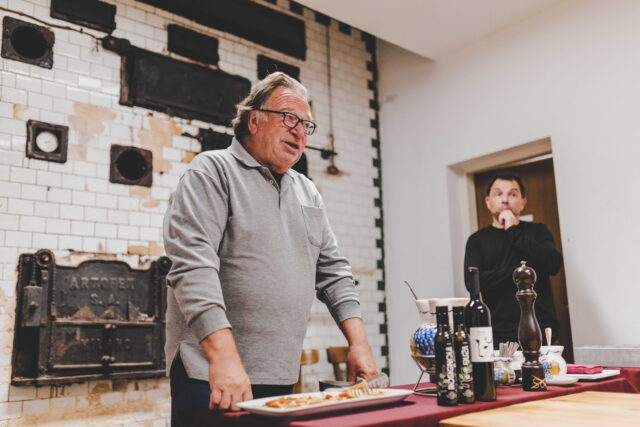
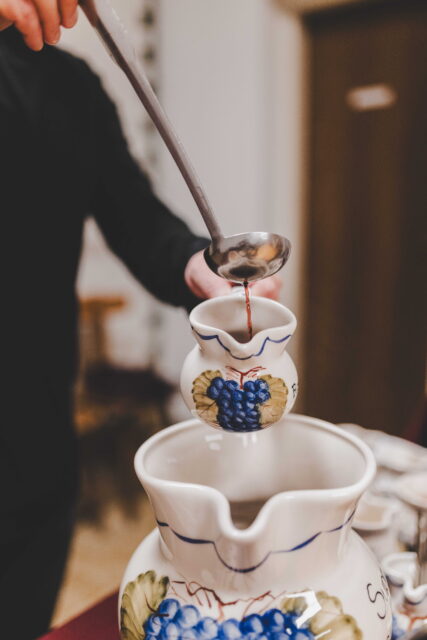
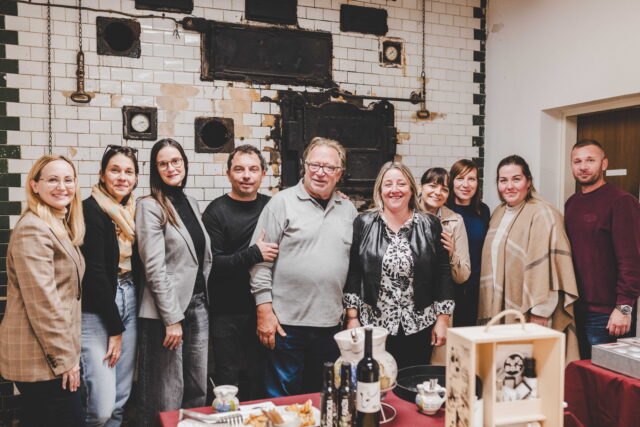
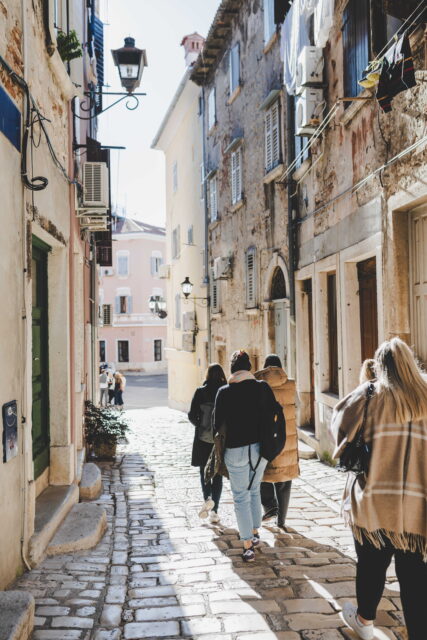
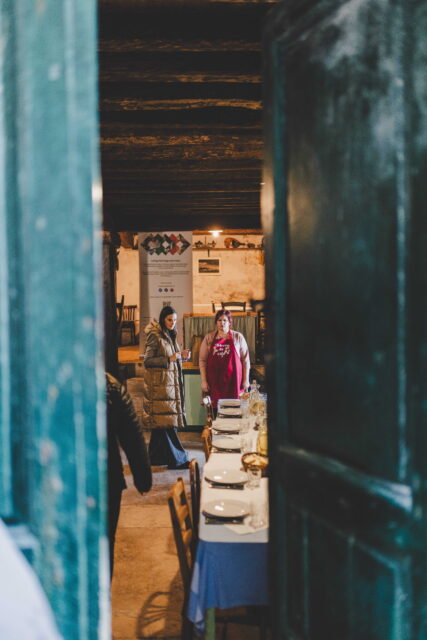
The one-day workshop was conceived as an immersive, place-based journey through the town. Starting at the fish and vegetable market, participants explored how seasonality, fishing practices, and agricultural cycles shape local food culture. The route continued through the historic town centre and harbour, with key stops including a century-old pelinkovac distillery, a historic bakery promoting local products, and the spàcio—a social tavern long rooted in the everyday lives of fishermen and farmers, today an integral part of the Ecomuseum.
The experience relied on walking, listening, tasting, and informal exchange with local bearers of food traditions. In this way, food emerged as a system of knowledge, memory, craftsmanship, and social relations connecting land and sea.
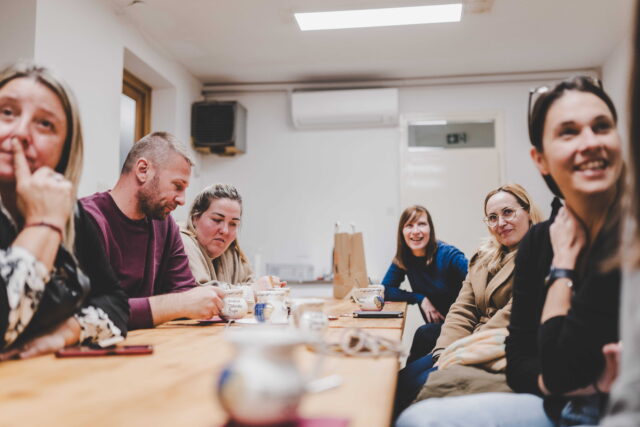
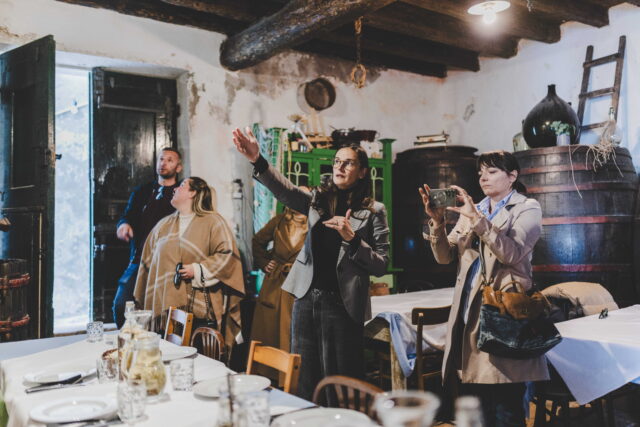
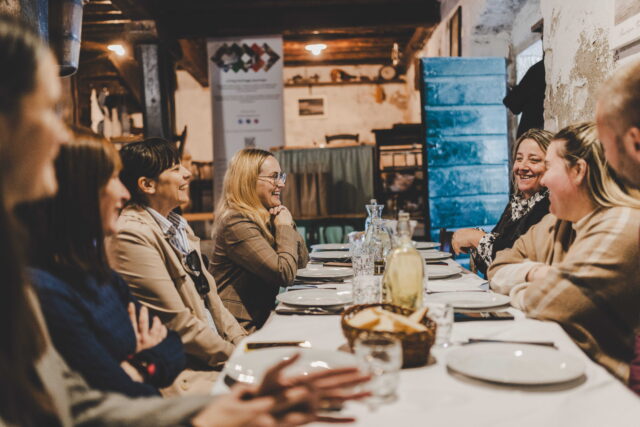
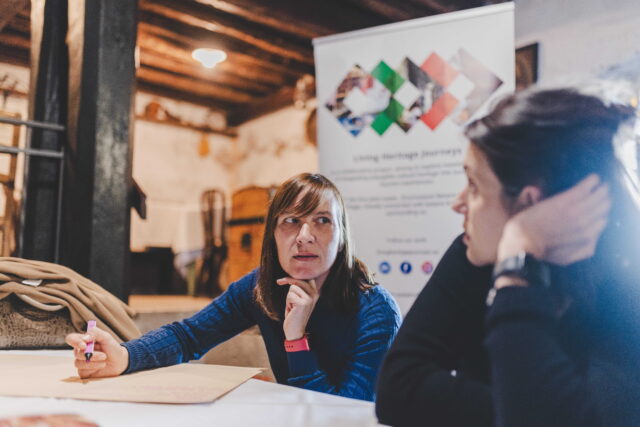
Crucially, the pilot functioned as a co-creation process in its own right. Participants first experienced the journey and then collectively reflected on it through a facilitated HEC workshop, supporting a shared evaluation of heritage values, communities and stakeholders involved, visitor motivations, value propositions, resources, distribution channels, and preliminary revenue models. This process actively helped to refine and strengthen the emerging heritage offer, identifying both its strengths and areas for further development.
The co-creation process brought together a diverse group of actors: local market sellers, producers, winemakers, and community hosts, alongside professionals from tourism development agencies, interpretation centres, creative industries, and food advocacy initiatives. This multi-perspective dialogue ensured a holistic understanding of gastronomy as a shared cultural resource.
Feedback highlighted the strong narrative coherence of combining walking routes, storytelling, and tasting moments, as well as the potential to position the experience at a higher value level. Discussions also addressed long-term sustainability, balancing public support for heritage promotion with the possibility of premium, market-oriented models.
By using the Heritage Experience Canvas as a co-creation and refinement tool, the initiative demonstrates how local foodways can be transformed into responsible, community-oriented heritage journeys that support sustainable tourism, while strengthening cultural continuity and the social role of heritage institutions.