
Where frameworks meet practice: the Kraków transnational meeting
© Bogdan Krezel Museum of Krakow
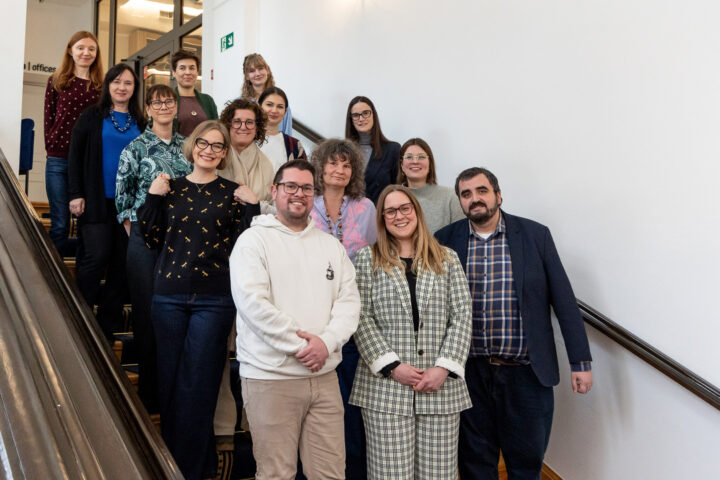
In January 2026, the Living Heritage Journeys partners gathered in Kraków for a three-day transnational meeting hosted at the Museum of Kraków, arriving during the szopka season, when the city's handcrafted nativity scenes are being showcased across the city. The meeting combined strategic reflection, peer learning and hands-on experience, offering a rich opportunity to advance shared frameworks while grounding discussions firmly in the different pilots.
Day 1 – Aligning and grounding the project
The first day focused on consolidating the project and ensuring alignment across the overarching work packages. Partners reviewed progress on management and communication, identifying remaining needs and clarifying next steps. Particular attention was given to the forthcoming development of the toolbox, exploring its scope, structure and intended users.
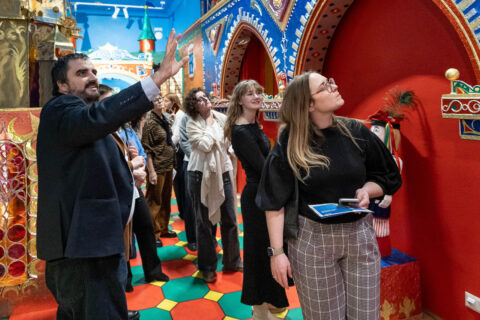
In the afternoon, the focus shifted from strategic discussions to local context. A guided visit to the museum’s szopka exhibition introduced participants to Kraków’s vibrant szopka tradition and to the many nativity scenes created for this year’s cycle - each a small, intricate world of colour and craft, reflecting the cultural, historical and social significance of the pilot project in Poland. Viewing the nativity scenes from this year’s annual competition, as well as a szopka maker’s story, workshop and tools, along with many other items in the permanent collection, brought home the extraordinary creativity, skill and effort the practice demands, and the way this tradition is part of the urban living heritage. This was followed by a visit to Wawel Castle, situating the Polish pilot within Kraków's broader cultural landscape and offering partners a shared experience of the city’s layered heritage.
Day 2 – Learning across pilots: operational frameworks in dialogue
© Bogdan Krezel Museum of Krakow
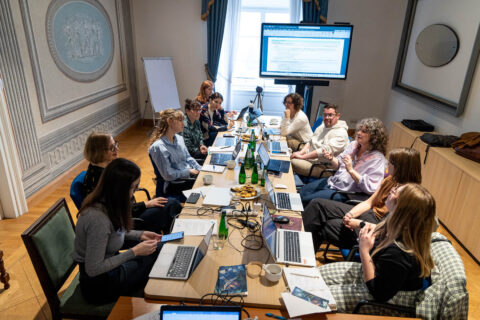
The second day was dedicated to the presentation and discussion of the operational frameworks prepared by each partner. Through presentations, questions and peer feedback, partners critically reflected on their pilot experiences and extracted transferable lessons. Hearing how each pilot has developed, and the depth of reflection that the co-creation process has prompted in each country, made for a genuinely rich exchange.
What five countries are learning together
BELGIUM A central lesson from the Belgian pilot was the importance of recognising internal diversity within heritage communities. Carillon practitioners hold differing views on innovation, technology and engagement with tourism, and the project confirmed that the role of partners is not to arbitrate between these views, but to facilitate negotiation among community voices. While the RACI-model (responsibility assignment matrix) proved effective, discussions highlighted how stakeholder responsibility mapping can vary significantly depending also on who leads the mapping or editing process and from which perspective - heritage, tourism, municipal or practitioners - which shows the importance of iterative validation.
POLAND A key lesson from the Polish pilot was that heritage communities may set firm limits on participation-based tourism experiences. The refusal of workshops by some nativity scene makers became a concrete example of Limits of Acceptable Change, grounded in community agency rather than capacity constraints. The role of tourism guides emerged as a critical innovation: positioned as mediators and translators, guides trained to interpret specific living heritage practices were identified as a viable tourism offer in their own right. Market-oriented activities, such as international craft fairs, also highlighted the need for legal and copyright protection and for carefully selecting sales channels aligned with community values.
SWEDEN The Swedish pilot highlighted both the potential and the challenges of digital mediation for living heritage. Lessons learned emphasised the importance of maintaining storytelling quality, securing long-term agreements with developers and budgeting clearly for the maintenance of digital tourism products. Ethical considerations were addressed through guidelines for respectful visitor behaviour and by linking living heritage to broader themes such as environmental sustainability and gender empowerment. Monitoring visitor numbers and impacts remains complex in open rural settings, reinforcing the importance of qualitative evaluation alongside digital analytics.
ITALY Discussions confirmed the added value of early and structured involvement of professional tour operators in co-creation processes. This partnership model helped align safeguarding priorities with operational feasibility while maintaining community control. A key insight was that tourism professionals benefit from increased living heritage literacy, just as communities benefit from understanding tourism logic. Clear benefit-sharing mechanisms, local reinvestment, and transparent governance agreements emerged as essential conditions.
CROATIA Discussions reinforced the importance of negotiating internal community differences regarding adaptation and innovation in food heritage. The Limits of Acceptable Change framework proved essential in managing tensions between living practices, creativity and tourism expectations. Key lessons included the value of small-scale, slow and socially embedded experiences, positioning shared meals as cultural practices rather than gastronomic products. The ecomuseum’s role as mediator between heritage bearers, tourism actors and institutions was highlighted, with tourism consistently framed as supporting community wellbeing and safeguarding rather than growth.
Day 3 – Co-creating the toolbox and experiencing szopka first-hand
© Bogdan Krezel Museum of Krakow
On the final day, partners turned their attention to the project’s knowledge-sharing phase, collaboratively exploring what the toolbox should contain, how it could be structured and how development would continue in the coming months. Brainstorming sessions focused on usability, adaptability and the balance between conceptual frameworks and practical tools.
The working sessions gave way to two fitting experiences to round off the meeting.
A hands-on workshop led by a young szopka practitioner gave partners the opportunity to experience the making process from the inside - creating their own nativity scenes in an exercise that was both inspiring and humbling, and that brought the project’s core commitment to learning through practice into sharp relief. The programme ended with a guided walk through Kraków, visiting szopka installations across the city with a guide who is himself a szopka maker, offering insights into the diversity of forms and meanings embedded in the tradition.
Looking ahead
The Kraków meeting laid a solid foundation for the next phases of the project, including the ongoing refinement of each pilot and the development of the toolbox. With frameworks now being tested in practice, and five countries' worth of lessons emerging, the project moves forward with a clearer shared picture of what responsible, community-centred heritage tourism can look like.
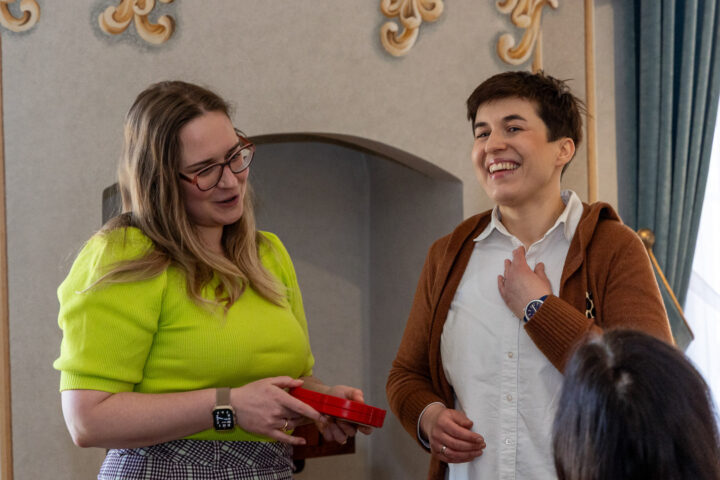
A big thank you to our excellent Polish hosts at the Museum of Kraków!
© Bogdan Krezel Museum of Krakow