
An Operational framework to 'guide the journey’
Throughout 2025, the Living Heritage Journeys partnership focused on creating a shared Operational Framework (OF). This framework serves as a guide for developing tourism experiences based on living heritage. Designed through an iterative process of research, expert input, and co-creation, it ensures all activities remain aligned with the ethical principles of the UNESCO 2003 Convention for the Safeguarding of Intangible Cultural Heritage.
This work builds on the foundation of our pre-pilot research (Work Package 3). Here we established a solid evidence base by combining national scans, stakeholder mapping, and community workshops. This preparatory phase provided vital insights into community values, benefit-sharing, and the 'limits of acceptable change'. Ultimately, this common framework has been essential for aligning the perspectives of project partners, heritage communities, and tourism actors alike.
During 2025, our partners adapted this shared template to their local contexts. This approach ensures both comparability across different pilots and the flexibility needed for diverse cultural, spatial, and tourism environments. Applying the framework across various heritage practices and destinations has revealed the richness and diversity of our partnership, with each pilot contributing its own insights into how living heritage and tourism can interact in a responsible, meaningful way.
© Dries Renglé
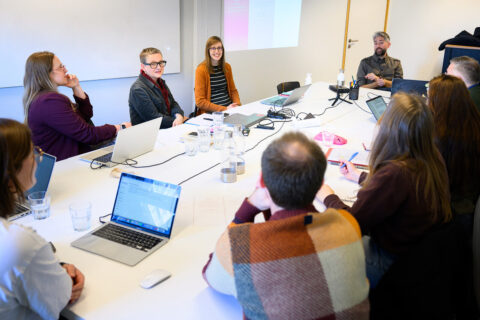
A central lesson from the Belgian pilot was the importance of recognising diversity within heritage communities. Carillon practitioners hold different views on innovation, technology and tourism engagement, confirming that the role of project partners is not to arbitrate but to facilitate dialogue among community voices. The RACI model proved useful, though responsibility mapping varied depending on perspectives (heritage, tourism or municipal), making iterative validation necessary. The pilot also showed that tourism can function primarily as an awareness layer rather than an economic driver, highlighting the value of sensory mediation (sound, touch, presence) over performative experiences. Finally, documenting bureaucratic processes such as permits and urban coordination also proved a transferable lesson.
© Katarzyna Zielinska
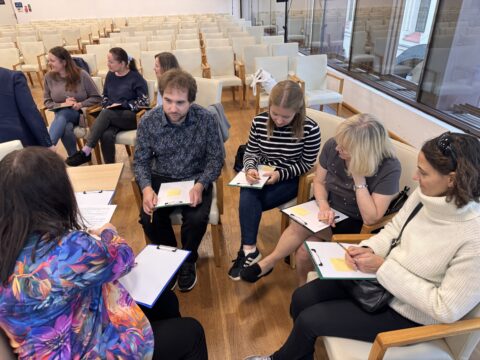
The Krakow pilot clarified the relationship between educational and tourism activities, reaffirming education as a central safeguarding tool and a necessary foundation for responsible tourism engagement. At the same time, communities demonstrated their right to define Limits of Acceptable Change.The refusal of workshops by nativity scene makers illustrated community agency rather than lack of capacity. Training licensed city guides emerged as an important innovation, strengthening interpretation while integrating the tradition into existing tourism formats. Market-oriented activities also highlighted the need for copyright protection and carefully selected sales channels aligned with community values.
© sagobygden
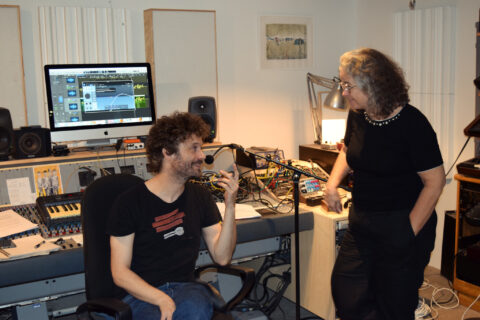
The Swedish pilot highlighted both the potential and challenges of digital mediation. It emphasised the need for high-quality storytelling, long-term agreements with developers and clear budgeting for maintenance. Digital tools must remain strongly place-based to avoid decontextualisation. Ethical considerations were addressed through visitor guidance and disclaimers promoting respectful behaviour. Monitoring impacts in open rural settings proved complex, reinforcing the value of qualitative evaluation alongside digital analytics. The pilot demonstrated how storytelling can strengthen destination development in low-visited areas without causing overuse.
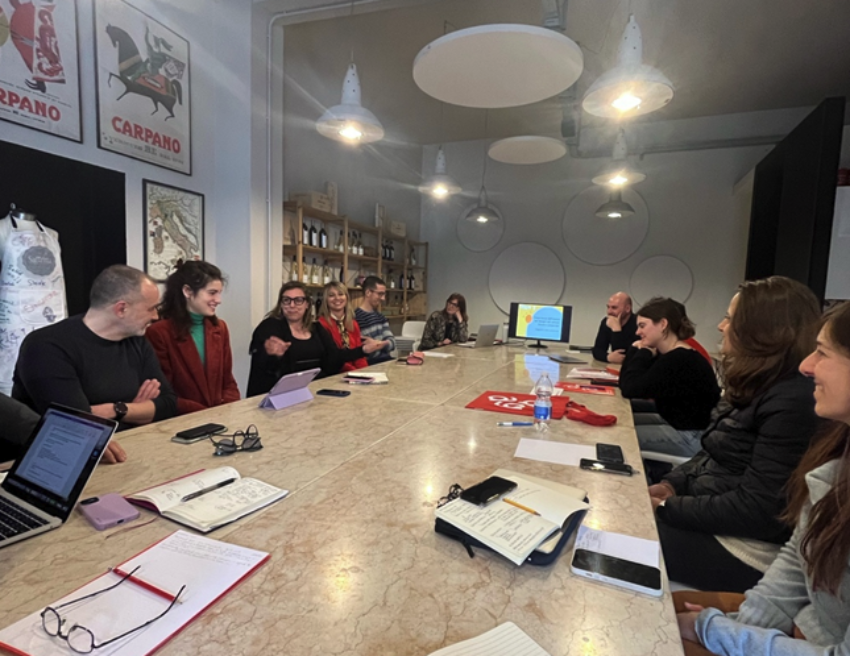
Workshop in Verona, La Soffritta of Ways Tour
The Italian pilot confirmed the value of early and structured involvement of professional tour operators. This collaboration helped align safeguarding priorities with operational feasibility while maintaining community control. The process showed that tourism professionals benefit from ICH literacy just as communities benefit from understanding tourism logic. Clear benefit-sharing mechanisms, reinvestment at local level and transparent governance emerged as essential. Traditional games proved particularly effective as embodied, social experiences, reinforcing tourism as encounter rather than spectacle.
© Studio Partum
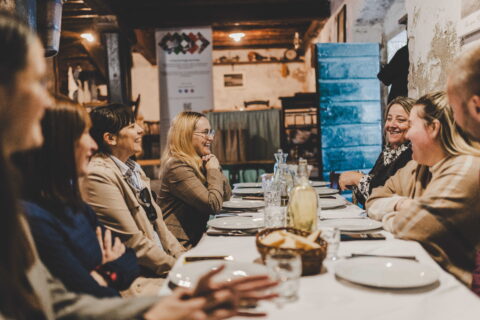
For Ecomuseum House of Batana, the co-creation process highlighted the need to negotiate internal community perspectives on innovation in food heritage. The Limits of Acceptable Change framework helped manage tensions between living practices and tourism expectations. The pilot emphasised small-scale, socially embedded experiences rooted in emplacement, revitalising the spàcio as an social space where food is prepared and shared. In this way, shared meals are framed as cultural practices rather than gastronomic products, while the Ecomuseum acts as mediator between heritage bearers, tourism actors and institutions, positioning tourism as a tool supporting safeguarding and community wellbeing rather than growth.