
Intangible Heritage as a Hallmark of the City: Kraków Nativity Scene Making at the 90th MIDA - International Crafts Fair in Florence
© Beata Jarema
This spring, Kraków’s nativity scene-making tradition was presented to an international audience through participation in the 90th edition of MIDA – the International Crafts Fair in Florence. The experience and insights gained from this initiative will help strengthen the integration of intangible cultural heritage into the city’s tourism offer while further empowering heritage practitioners.
From 25 April to 3 May 2026, Florence became the global capital of craftsmanship as it hosted MIDA – the International Crafts Fair at the historic Fortezza da Basso. Founded in 1931, this renowned event brings together hundreds of artisans who demonstrate their skills and showcase unique creations to tens of thousands of visitors each year.
© Izabela Okreglicka
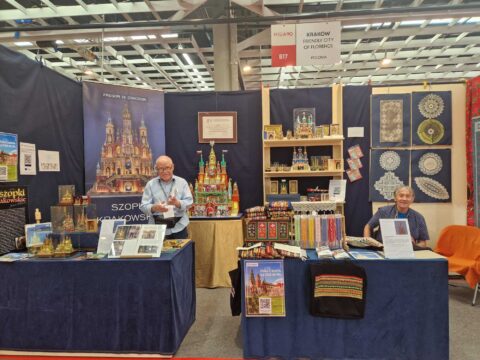
The promotion of Kraków’s nativity scene-making tradition as a world-class craft and of Kraków itself as a cultural tourism destination formed part of a pilot within the Living Heritage Journeys project. As a partner city of Florence, Kraków was invited to present its cultural and tourism offer at the fair. Our participation would not have been possible without the support of the Tourism Department of Kraków City Council and the Kraków Tourism Alliance, which provided a stand at the event. Together, we decided to focus on the city’s intangible cultural heritage and the craft traditions passed down from generation to generation.
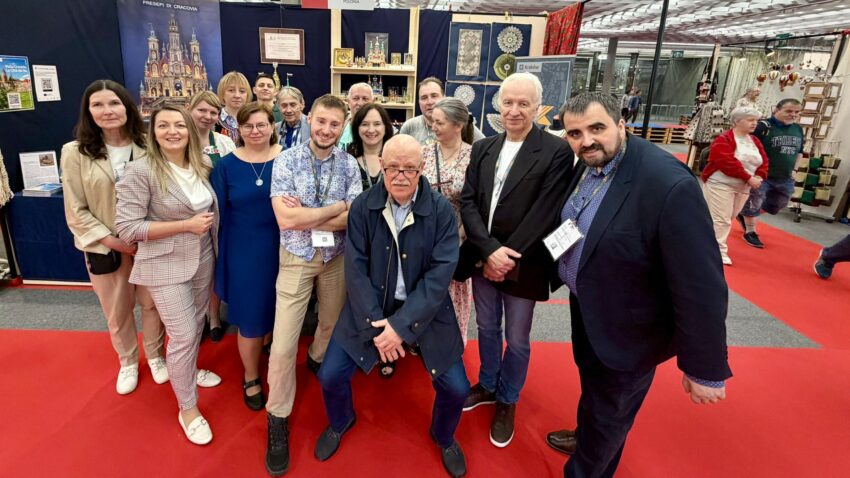
The preparation and operation of the stand throughout the nine-day fair were entrusted to representatives of the ICH community, supported by the project team from the Museum of Kraków. Twelve practitioners, selected through an open call among project stakeholders, travelled to Florence. The group included craftspeople representing several generations, creating valuable opportunities for integration and the exchange of experiences. As one participant noted: “It was important that we, as the creators, were present alongside our work. Not just the work itself, but the people behind it”.
Demonstrations, dialogue, and lessons learned
© Monika Widzicka
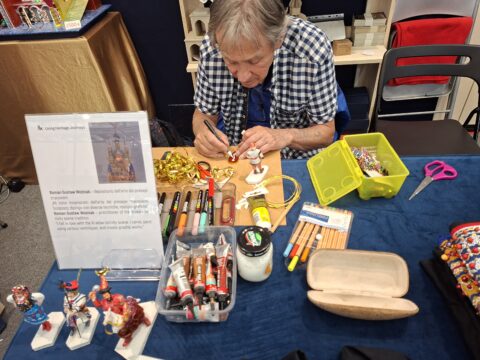
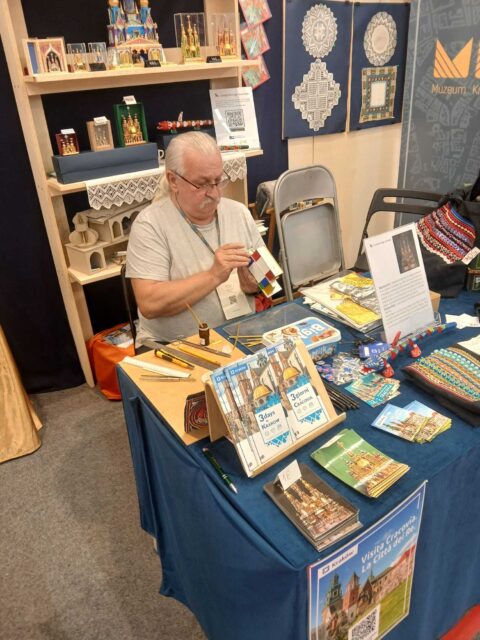
At the stand, each practitioner presented their craft and skills, while visitors could watch live demonstrations of the techniques used to create elements of Kraków nativity scenes. They were also encouraged to try selected handicraft techniques themselves. Particular attention was drawn to the large, mechanised and illuminated nativity scene created by Dariusz Czyż. It provided an excellent opportunity to explain the tradition of Kraków nativity scene-making and its inscription on UNESCO’s List of Intangible Cultural Heritage. Several practitioners also offered small and miniature nativity scenes for sale.
Our stand stood out because it featured exclusively handcrafted items, with no mass-produced products on display. This emphasised the skill, time and care invested in each piece, although it also meant that prices were higher and spontaneous purchases less frequent. One lesson learned was the value of exhibiting a greater number of large and medium-sized nativity scenes, even if this results in fewer items being available for sale. The question of producing nativity scene-inspired souvenirs has since become a topic of discussion within the community.
© Andrzej Szoka
This year’s edition of MIDA attracted more than 60,000 visitors and featured around 500 exhibitors. In the international pavilion, where the Kraków stand was located, we most frequently engaged with visitors from Italy. Many were already familiar with Italian nativity scene traditions and were intrigued by the distinctive form of the Kraków nativity scene. This created an opportunity to explain its unique local context and cultural significance. Many visitors also expressed interest in Kraków as a tourist destination and took away information materials to help them plan a future city break.
News of the participation of Kraków’s nativity scene makers spread throughout the Italian nativity scene community, including through the Associazione Italiana Amici del Presepio E.T.S. – Italy’s largest nativity scene association – as well as social media networks dedicated to nativity scene artists. Participation in the fair and the practitioners’ visit to Italy helped establish new relationships with this ICH community and laid the groundwork for potential future cooperation.
Members of the ICH community highlighted the sense of pride and prestige they felt in representing Kraków and its intangible heritage at such a historic and internationally recognised event. Working together to prepare and run the stand strengthened their sense of agency, fostered closer relationships within the group, and encouraged mutual promotion of each other’s work. The experience also brought fresh inspiration and renewed creative energy. As one participant reflected: “The nativity scene is a fantasy of Kraków. Thanks to these experiences, everyone has certainly recharged their imagination”.